

How to Choose Eco-Friendly Packaging for Snack Products
Choosing eco-friendly packaging for snack products? Compare paper, recyclable film, and compostable options and keep snacks fresh and crisp.
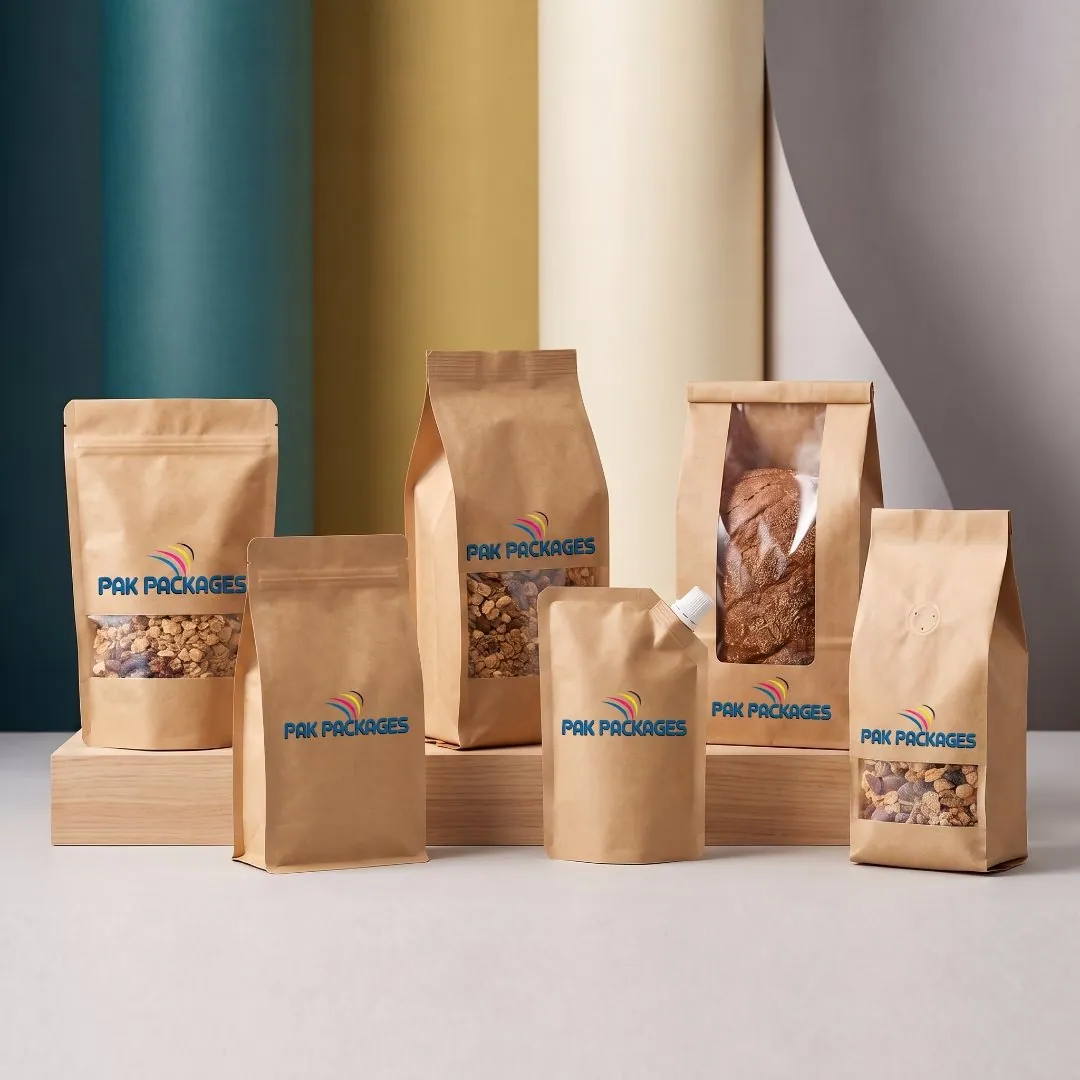
You switch your chips to a paper bag because it looks greener. Two weeks later, customers email to say the chips are soft.
That’s the trap with eco-friendly packaging for snack products. A package can be sustainable and not be successful in its primary purpose, which is to keep the snack fresh. The right choice will keep the product safe, use less material, and provide an achievable end-of-life scenario that fits your consumers’ region. Let's look at the selection process step by step.
What is eco-friendly packaging for snack products?
It’s packaging designed to have less impact on the environment. That can mean the material it’s made from, how little of it you use, or what happens to it after the snack is gone.
You’ll usually see these options:
- Recyclable packaging
- Packaging with recycled content, where that’s suitable
- Paper-based packaging
- Certified compostable packaging
- Lightweight packaging that uses less material
There’s no single “most sustainable” material for every snack. A bag of nimko and a box of oat bars have different needs. What the snack needs, and what disposal options exist locally, decide the answer.
What factors should you consider before choosing snack packaging?
Before comparing materials, answer four questions about your product.
1. Type of snack
Snacks don’t all spoil the same way.
- Chips and crackers go stale when moisture gets in, and fats can turn rancid with too much oxygen.
- Nuts can be susceptible to rancidity; hence they require an oxygen barrier.
- The snack bars require a moisture barrier and one that will withstand tough usage.
- Dried fruits require moisture barrier protection to preserve their texture.
2. Shelf-life requirements
How much time would the packaging have to keep the snack safe for? A snack packaged for sale in a nearby store after three weeks is not the same as one stored in a warehouse and transported to other parts of the nation.
3. Food safety
Anything touching food has to be suitable for that use. This is called food-contact safety. The FDA explains that food-contact materials must meet the requirements for their intended use. Ask your supplier for the right documents, and don’t skip this step because the price looked good.
4. Cost and production
Look at material cost, minimum order quantities, and sealing performance. And check whether the material runs on your existing machines. A great material that jams your line every hour isn’t a good deal.
Which eco-friendly materials are used for snack packaging?
I’ll be straight with you here. Nobody has a perfect material. Each one trades something away.
1. Paper and kraft paper
Paper looks natural and simple, which customers like. It works well for boxes, cartons, and some bags. But paper alone doesn’t hold off moisture or oil, so greasy or moisture-sensitive snacks usually need a barrier coating. Those coatings and laminations can make recycling harder.
2. Recyclable mono-material films
These are films made mostly from one type of plastic, such as polyethylene (PE) or polypropylene (PP). Because they’re a single material, they can fit particular recycling streams. They’re flexible and give good moisture protection. Whether they actually get recycled depends on the exact structure and what facilities exist near you.
3. Compostable packaging
Some compostable films suit certain snacks. Check for a proper compostability certification, and don’t rely on the word “compostable” printed on the pack. Many need industrial composting, not a backyard bin. The pack also still has to protect the snack. A material made from polylactic acid (PLA) may break down well, but it may not hold off oxygen as well as you need.
4. Recycled-content packaging
Recycling reduces the use of new plastic materials. However, when it comes into contact with food, it should satisfy food contact regulations. This is because there is a possibility that contaminants from the material may get into the food
Paper vs. plastic vs. compostable packaging
| Feature | Paper-based packaging | Recyclable plastic film | Compostable packaging |
|---|---|---|---|
| Common formats | Bags, cartons, boxes | Pouches and flexible bags | Films and selected pouches |
| Moisture protection | Depends on coating and structure | Can provide good protection | Depends on material and design |
| Recyclability | Depends on coatings and local systems | Depends on polymer and local collection | Not necessarily recyclable |
| Compostability | Not automatic | Generally not compostable | Requires appropriate certification and conditions |
| Main consideration | Barrier performance | Material structure and recycling access | Certification and composting access |
It is important not to evaluate a package based on the material that forms the core of the structure alone. The film, the coating, the ink, the seal, and the closure need to be considered as a unit while making judgments.
How can eco-friendly packaging keep snacks fresh?
Here is where sustainability meets quality, and there are three things that are most important.
A moisture barrier retains crispness in crisp snacks, while keeping soft snacks moist. This will be measured by means of oxygen transmission rate (OTR) and water vapor transmission rate (WVTR). The lower these are, the less oxygen or moisture permeability you have. And, last but not least, seal strength, as poorly sealed packaging allows both air and moisture to get inside regardless of barrier properties of the film itself.
Sometimes other protection properties may be required depending on a product, such as light, grease resistance and impact resistance during transportation.
A paper bag may fit for some dry snacks. If the snack requires an oxygen and moisture barrier, then a different structure will be needed. Choose a material that provides the required protection for the entire shelf life of a product, not just an attractive appearance of the package on the shelf.
Need help choosing a structure for your snack? Call Pak Packages on 0300-8440248 or email info@pakpackages.com and tell us about your product. We’ll talk you through the options.
What is the difference between recyclable and biodegradable packaging?
Recyclable packaging is designed to be collected and turned into new material, as long as the collection and recycling facilities exist. In Pakistan, a lot of that work happens through the informal sector, so what gets recycled depends on what’s valuable to collect.
Biodegradable packaging can break down through biological processes under the right conditions. But how fast and how fully depends on the material and the environment.
A few things to keep in mind:
- Biodegradable doesn’t automatically mean compostable.
- Compostable packaging may need specific industrial conditions.
- A “compostable” label doesn’t mean local facilities will accept it.
Getting this right keeps you from making environmental claims you can’t back up.
How can snack brands reduce packaging waste?
Cutting waste starts with using less. Here’s where most brands can begin:
- Remove packaging layers you don’t need
- Use the least material that still protects the product
- Look at recyclable mono-material structures
- Pick pack sizes that match the real product quantity
- Check whether the pack runs on your current equipment
- Find out which recycling or composting options exist locally
- Ask suppliers for material specifications and certifications
One warning. Using less material only helps if the snack still stays fresh. A thinner pack that causes spoilage creates more waste, not less.
How to choose the right sustainable packaging for your snack product
Here’s a simple process you can follow.
- Identify your snack type and how sensitive it is to moisture, oxygen, and light.
- Decide the shelf life you need.
- Compare paper-based, recyclable, and compostable solutions.
- Get confirmation of food contact compliance and the necessary documents.
- Check out sealability, freshness maintenance, and machine running tests.
- Review the price of the material and its disposal possibilities.
It doesn’t matter whether you have a factory, a start-up, or even the procurement department. And in your discussions with Pak Packages, use the above steps for your consideration. The discussion will be significantly shortened.
FAQs
What will be the most eco-friendly type of packaging for your snacks?
The most eco-friendly type of packaging for your snacks will be the one that will ensure their protection for their entire shelf life but will also consume fewer resources and have realistic waste management practices.
What are the sustainable materials for packaging foods?
Some of the sustainable materials for food packaging include paper and kraft paper, mono-material films that are recyclable (PE, PP), biodegradable films, and food-grade recycled content.
Why is paper packaging better than plastic one for snacks?
Paper packaging does not mean a more sustainable choice than plastic for snacks since the former usually contains a barrier coating, which makes the material non-recyclable, whereas the latter can do the job well.
What is the difference between biodegradable and recyclable packages?
Biodegradable packaging means that it breaks down biologically, whereas recyclable packaging can be collected and made into something else.
How does snack packaging help keep food fresh?
Food remains fresh through snack packaging due to the presence of a moisture barrier, oxygen barrier and sealability, and sometimes some snacks require lightproof or greaseproof packaging.
Is the compostable packaging option suitable for snack products?
Compostable packaging would be suitable for some snacks only when they are well certified and also protects the snacks.
How do firms reduce packaging waste?
Firms reduce packaging waste through the use of less material, recyclable structures, optimal pack size, and verification of recycling or composting facilities available locally.
How do you select the packaging materials for food products?
One selects appropriate packaging materials for food products through food sensitivity, shelf life, food contact regulations, machinery requirements, and cost factors.
Conclusion
Eco-friendly packaging is not always the packaging that looks the most environmentally friendly, rather it should be the one that will keep your snack fresh and food-safe while being able to have an honest end-of-life path within your consumers’ reach.
It all starts with the snack’s needs. Fairly compare the materials, test a couple, and request the documentation. If something influences the freshness, discard it.
Ready to look at options? Contact Pak Packages at 0300-8440248 or info@pakpackages.com, and we’ll help you find packaging that works for your product.