

Rotogravure vs Flexographic Printing: Which Is Better for Packaging?
Rotogravure and flexographic printing compared on cost, run length, substrate compatibility, turnaround time, and print quality. Find out which flexible packaging method fits your business.
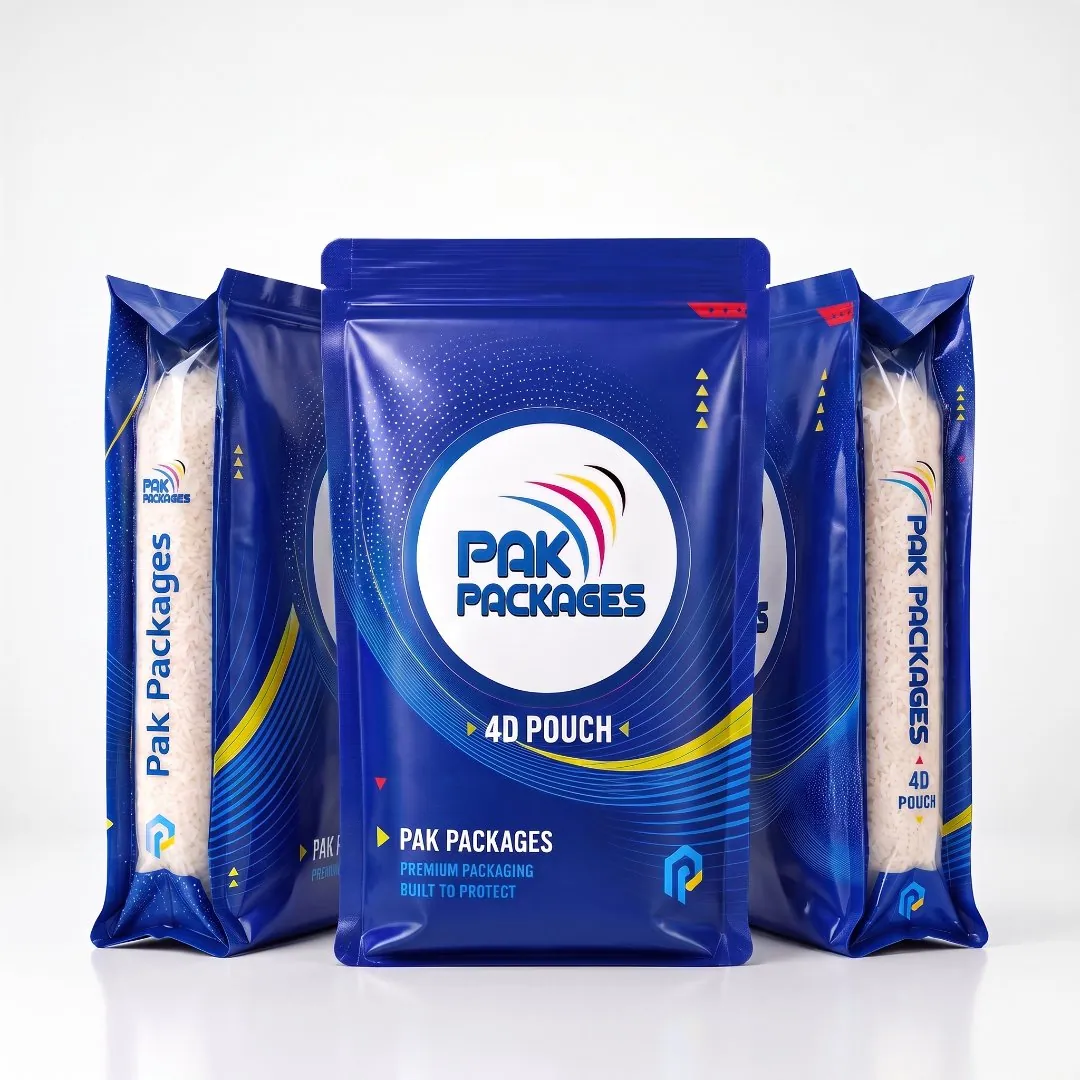
Every brand owner sourcing flexible packaging hits this question eventually: rotogravure printing or flexographic printing? At Pak Packages, it's probably the most common question we get on calls, right after "how much will this cost me?" There's no single right answer here. Once you understand what each process is actually doing, the choice tends to become obvious for your product.
Short answer: rotogravure printing is definitely the better option for larger and more uniform print orders, especially when photographic quality is required. Flexographic printing is definitely the better option when lower setup costs are required.
Which one actually fits you comes down to volume, substrate, artwork, and budget. A snack brand pushing out millions of pouches a year isn't shopping for the same thing as a startup launching three SKUs on a tight budget, and that's really the crux of it.
Rotogravure vs Flexographic Printing at a Glance
| Factor | Rotogravure | Flexographic |
|---|---|---|
| Printing method | Engraved cylinder | Flexible plate |
| Setup cost | Higher | Lower |
| Best run length | Long runs | Short to medium, and long |
| Print quality | Excellent | High |
| Setup speed | Slower | Faster |
| Substrates | Films, foils | Wider substrate range |
| Design changes | More expensive | Easier |
| Best suited for | High-volume packaging | Flexible, varied production |
What Is Rotogravure Printing?
Rotogravure printing is a form of intaglio printing. Instead of sitting on top of a surface, the image is carved into it. Less like stamping, more like etching.
How Rotogravure Works
Artwork gets etched onto copper cylinders, turning them into engraved printing cylinders. Ink settles into those tiny engraved cells. The cylinder rolls against the substrate, and the ink transfers straight onto it. That's really the whole idea.
A couple of things worth knowing:
- The engraving locks in fine detail that's genuinely hard to beat
- Ink sitting in the cells keeps color steady, run after run
- Once it's set up, it runs efficiently for a long stretch, which is exactly why big brands lean on it
Advantages of Rotogravure
- Excellent image reproduction, especially for photos and gradients
- Print quality and color consistency that holds up over long runs
- No quality drop-off even on very large volumes
- A common choice for premium packaging that needs to look expensive on the shelf
- Cost per unit falls hard once you're printing at real scale
Disadvantages of Rotogravure
- Engraved cylinders are expensive before you've printed a single unit
- Setup drags on longer than flexo
- Doesn't make financial sense for short runs
- Changing artwork means re-engraving a cylinder, and that's never cheap
What Is Flexographic Printing?
Flexographic printing falls under relief printing. No engraved cylinder here. It uses a raised, flexible plate that presses ink directly onto the substrate.
How Flexographic Printing Works
The design gets transferred onto photopolymer printing plates, which wrap around a cylinder. Those plates pick up ink through a roller system, then press it onto the substrate as it feeds through the press.
Advantages of Flexographic Printing
- Setup cost is noticeably lower than gravure
- Plates come together faster, which shortens your lead time
- Handles shorter runs and frequent SKU changes without much fuss
- Solid substrate compatibility, whether that's paper, plastic film, or corrugated stock
- Cheaper and easier to update artwork between runs
Limitations of Flexographic Printing
- Doesn't always match gravure's finest photographic detail on certain jobs
- Output quality leans heavily on the press, the plates, and how tight your process control is
Rotogravure vs Flexographic Printing: Key Differences
Print Quality
For fine gradients, photographic detail, and brand colors that need to match exactly, rotogravure printing still has the edge. That said, flexo has closed the gap a lot over the years. For solid colors and everyday packaging graphics, most shoppers won't notice a difference at all.
Cost
Cylinder cost is the number that scares people away from gravure at first. Plate cost in flexo is much lighter. But the cheapest setup isn't automatically the cheapest way to produce packaging. Once a gravure job hits real volume, that cylinder cost spreads thin enough that the cost per piece can actually beat flexo.
Run Length
Short runs? Flexo, no contest. Medium runs can go either way depending on budget. Once you're deep into long or very high-volume territory, and your design isn't changing much, gravure starts pulling ahead on cost per unit.
Turnaround Time
Cylinder prep for gravure eats up real time, sometimes weeks. Flexo plates and press setup move a lot faster, which matters when you're racing a launch date.
Substrate Compatibility
Gravure does well on films and foils. Flexo stretches wider, covering paper, labels, corrugated board, and various films, which is a big part of why it shows up across so many industries.
Design Changes and SKU Flexibility
This one's flexo's territory. If you're juggling multiple SKUs or refreshing packaging every season, re-cutting a plate is far cheaper and quicker than re-engraving a cylinder from scratch.
Rotogravure vs Flexo: Which One Should You Choose?
Choose Rotogravure if:
- Your volumes are genuinely large
- Your artwork isn't changing much
- Photographic-quality print matters to your brand
- Consistent color across every roll is a must
- Your run size is big enough to absorb cylinder costs
Choose Flexographic Printing if:
- Your artwork changes often
- You're running multiple SKUs
- You need packaging ready fast
- Your setup budget is tight
- You need flexibility across different substrates
Which Printing Method Is Better for Flexible Packaging?
Both methods show up constantly across flexible packaging. Food packaging, snack pouches, pharmaceutical packaging, retail pouches, and labels all get printed with rotogravure or flexo depending on the brand's volume and quality bar.
There isn't one universal winner. A pharma company printing stable, high-volume blister foils will probably lean gravure. A retail brand rolling out seasonal pouch designs across ten SKUs is usually better off with flexo. It comes down to your product and how your production actually runs.
Not sure which one fits your packaging? Pak Packages can look at your volume, substrate, and artwork needs and point you toward the right process. Reach out at info@pakpackages.com or call +92-300-8440248.
Rotogravure vs Flexographic Printing: Cost Comparison
Looking past just the setup price tag:
- Initial tooling: gravure cylinders cost more than flexo plates, plain and simple
- Setup: flexo gets you running faster with less money down
- Production volume: gravure gets more efficient the larger you scale
- Cost per unit: flexo tends to win at low to medium volumes, gravure can win at very high volumes
- Design changes: flexo is cheaper to update mid-cycle
- Long-term ROI: comes down to how stable your designs are and how large your runs get
Flexo usually has the lower entry cost. Gravure can become more economical once you're printing at very high volumes.
Frequently Asked Questions
What is the difference between rotogravure and flexographic printing?
Rotogravure uses engraved cylinders for intaglio printing. Flexographic printing uses raised photopolymer plates for relief printing. Gravure suits large runs, flexo suits shorter runs and quicker changes.
Which is cheaper, flexographic or rotogravure printing?
Flexo is cheaper to set up. Gravure can end up cheaper per unit at very high volumes, since the cylinder cost gets spread across more units.
Is rotogravure still used today?
Yes, and widely. It's still a go-to for high-volume flexible packaging where premium print quality and color consistency matter, like snack packaging and pharmaceutical foils.
What are the disadvantages of rotogravure printing?
High cylinder costs, slower setup, and pricey artwork changes make it a poor match for short runs or brands that update designs often.
What are the advantages of rotogravure printing?
Excellent image reproduction, strong color consistency, and low cost per unit at scale make it a solid pick for premium, high-run packaging.
What is the future of flexographic printing?
Flexo keeps improving in print quality and press technology. Its speed and substrate flexibility keep it in demand as brands push out more SKUs on faster timelines.
Which printing method is best for flexible packaging?
Both are used heavily. Gravure fits high-volume, stable designs. Flexo fits varied SKUs and shorter runs. The right pick depends on your specific volume and substrate.
Which printing method is better for short print runs?
Flexographic printing, without much debate. Lower setup cost and faster plate prep make it the practical choice for smaller runs.
Final Verdict
Here's where it lands, in plain terms. Choose rotogravure for high volume, premium print quality, and designs that stay put. If you're printing millions of units a year and your artwork isn't shifting every quarter, gravure will usually pay for itself through sheer consistency and a lower cost per piece once you're at scale.
Choose flexo for flexibility, faster turnaround, lower setup cost, and multiple SKUs. If you have new design launches frequently, print smaller lots, or operate on a tight budget, then flexo is the one to get your products ready to sell much faster without being bound to a huge cylinder investment upfront.
Most of our clients fall somewhere in between these two extremes, and that is alright because it would be ridiculous to opt for premium printing processes when your business operations cannot support it.
Still undecided? Feel free to call Pak Packages for assistance. We will assist you in choosing the best printing process depending on your volumes, substrates, and budget. Dial +92-300-8440248 or write to us at info@pakpackages.com.