

What Materials Are Best for Himalayan Pink Salt Packaging?
Pink salt turns into a hard lump when moisture gets in. See which materials protect it: laminated pouches, foil, glass, and food-grade PET jars.
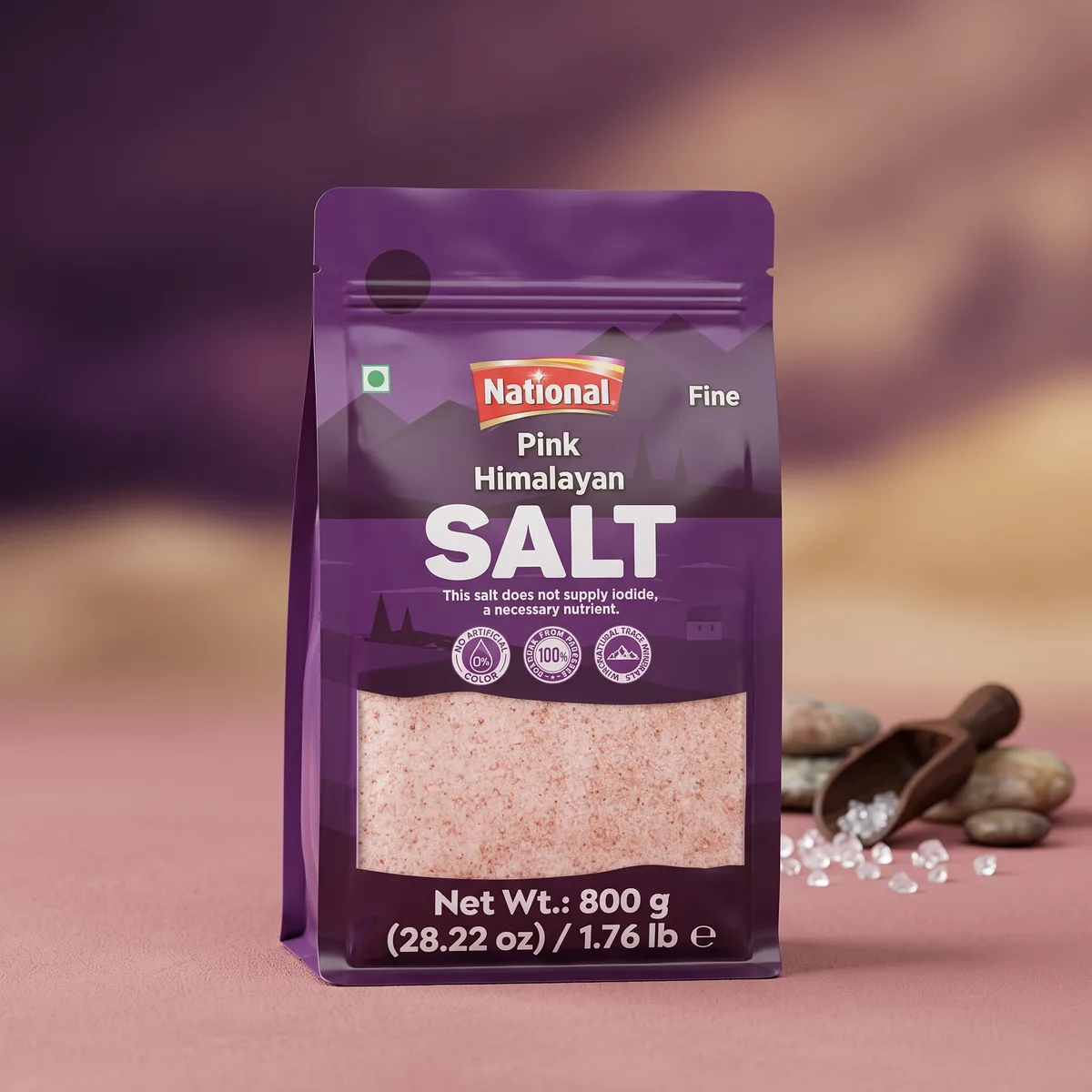
You buy good Himalayan pink salt. A few weeks later it has turned into a hard lump inside the pack. Or the pink looks dull on the shelf. Honestly, that is rarely the salt's fault. It is the packaging. Pink salt is natural and full of minerals, and it pulls moisture out of the air. So the pack has a bigger job than most people think. It has to keep the salt dry, clean, and nice to look at until the customer opens it.
So, what materials are best for Himalayan pink salt packaging? For most brands, laminated pouches, foil lined pouches, glass jars, and food grade PET jars do the job. Which one is right depends on your salt and your buyer. At Pak Packages, we help salt brands pick packs that protect the product and help it sell. Here is how each material works, and where it lets you down.
Why pink salt needs a good pack
Pink salt looks tough. It isn't. Salt is hygroscopic, which just means it grabs moisture from the air. Once it does, it can cake into a hard block. Finer grains do this even faster.
In Pakistan, you notice this quickly. Humid summers and the monsoon can ruin a weak pack in a few weeks. The salt gets damp, it clumps, and your customer thinks they got a bad batch.
So a good pack has a few jobs. It has to keep moisture and air out, which is the whole point of moisture barrier packaging. It has to be safe for food, so food grade packaging matters from day one. It shouldn't react with the salt either, since salt can corrode bare metal. And it should show off the pink color, because that is what people are paying for.
Best materials for Himalayan pink salt packaging
Quick answer first. Laminated pouches work for everyday retail. Foil laminates work for long shelf life and export. Glass works for premium and gift packs. Here is how they compare.
| Material | Moisture protection | Best for | Main drawback |
|---|---|---|---|
| PET/PE laminated pouch | Good | Retail packs, 250 g to 1 kg | Not fully moisture proof |
| Foil laminate pouch | Very high | Export, humid areas | Costs more |
| Glass jar | High with a tight lid | Gourmet and gift sets | Heavy, can break |
| PET or PP jar | Good with a sealed cap | Grinders, kitchen use | Can scratch over time |
| Kraft pouch with liner | Medium to good | Natural looking brands | Useless without a liner |
| PP bag with PE liner | Good | Bulk and wholesale | Plain, no shelf appeal |
Laminated plastic pouches
Most brands start here, and it makes sense. Flexible salt packs usually use multi-layer plastic films to keep moisture out. They are light, cheap to ship, and easy to print on. A stand-up pouch for salt with a zipper is a good example. Buyers can reseal it after every use, and it stands nicely on a shelf. Most pink salt packaging bags you see in stores are made this way.
Foil laminate pouches
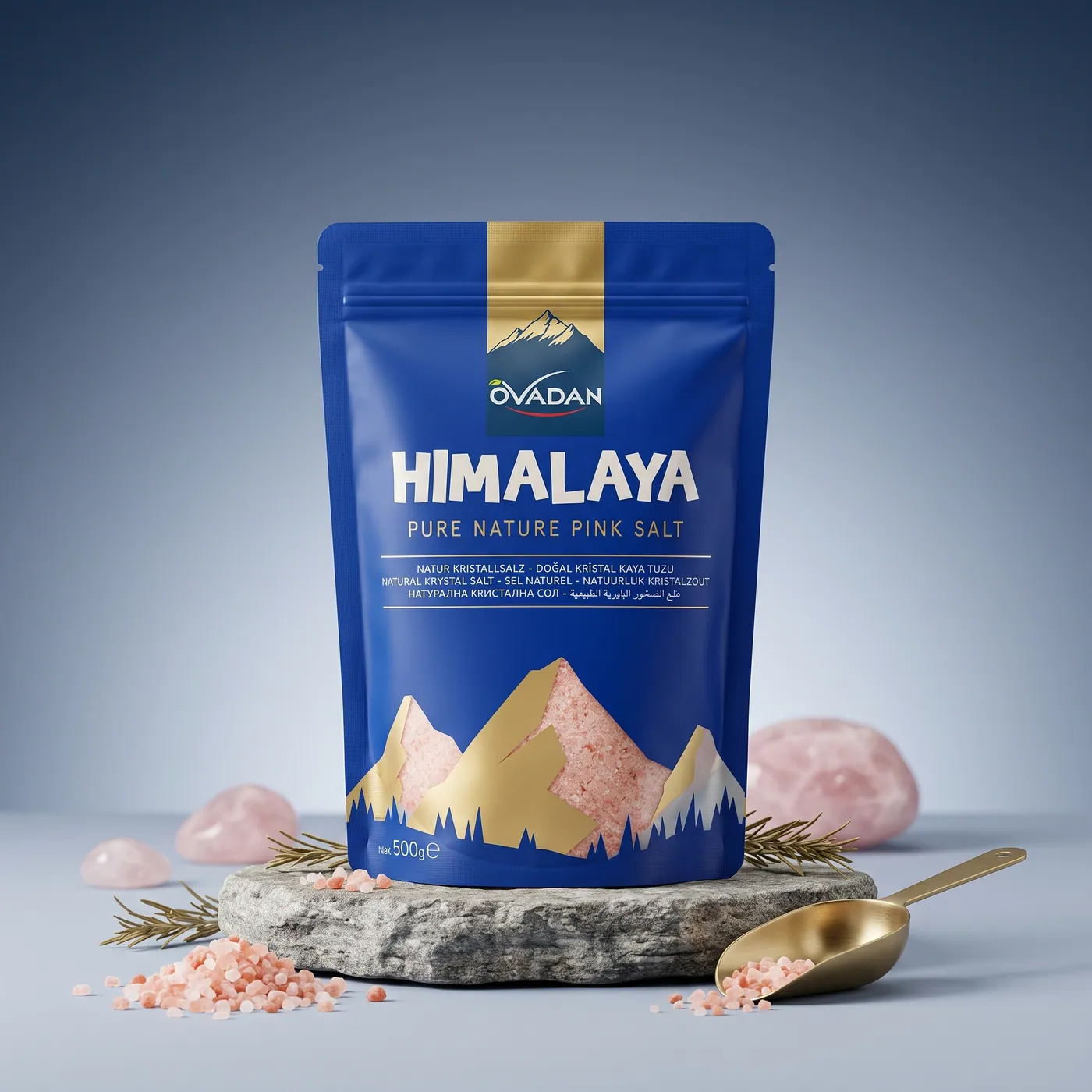
Add a thin aluminum layer and the protection jumps. The foil layer gives an almost complete barrier against moisture and light, better than plastic film alone. A foil laminate pouch is the safest choice for export or very humid areas. The downside is cost. And you can't see the salt unless you add a clear window.
Glass jars
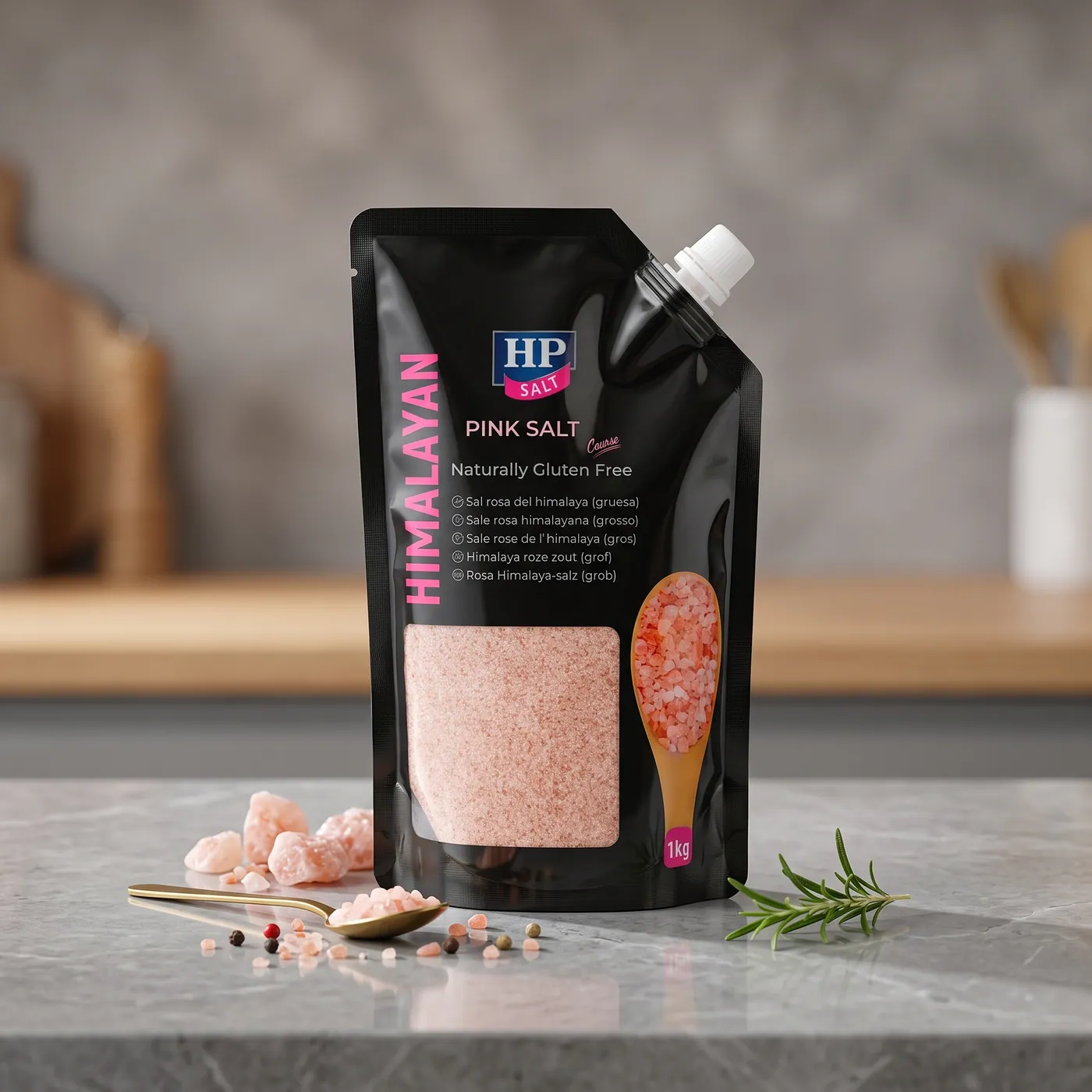
Glass just looks expensive. It also shows off the color, texture, and shape of specialty salt. It doesn't hold odors either. A glass jar for salt needs a tight lid or an inner seal, though. It's heavy, so shipping costs more. It suits gourmet shelves and gift sets best.
Food grade PET and PP jars
These give you the see-through look without the weight. They won't shatter if someone drops them, which is handy in a busy kitchen. Go for thick walls and a cap with an inner seal. They work well for coarse salt and grinder jars.
Kraft paper pouches with a liner
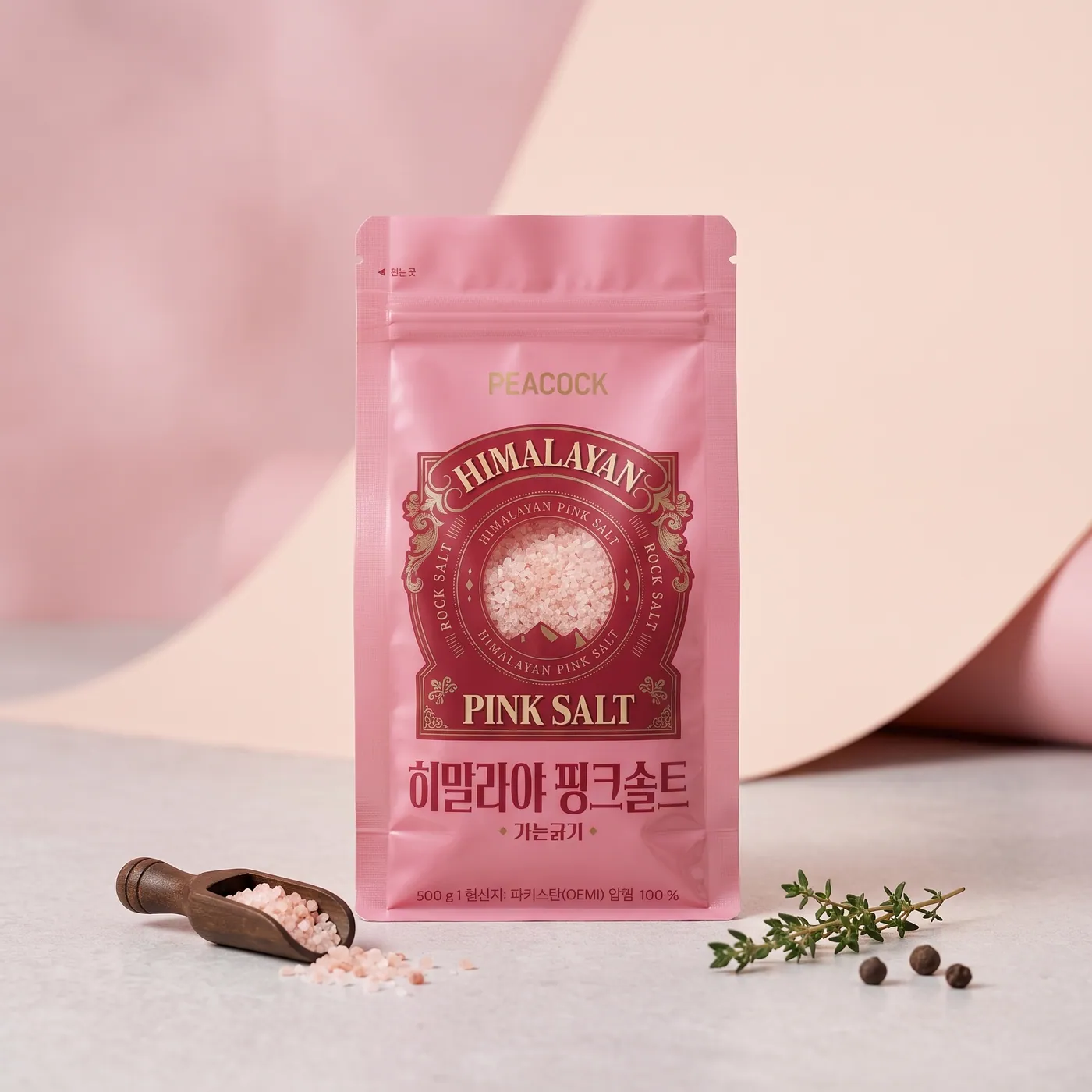
Kraft has that earthy, natural feel. But plain paper lets moisture straight through. Kraft bags usually need a foil lining to keep moisture out. If you love the look, just make sure the pouch is lined. Kraft pouches only protect salt when that inner liner is there.
Bulk bags and drums
Wholesale is a different story. Bulk pink salt often ships in 25 kg PP bags, sometimes with an optional inner PE liner. For very dry storage, a sealed HDPE drum adds one more barrier.
Not sure which pack suits your salt?
Your salt grade, your market, and your budget all change the answer. Pak Packages can help with custom salt packaging, from the first sample to the final print. Call 0300-8440248 or email info@pakpackages.com and tell us what you sell.
How to choose the right packaging
Start with the salt itself. Is it fine, coarse, or in chunks? Fine salt needs the tightest barrier. Then think about where you sell it. A local shop, an online store, and an overseas buyer all need different things. How long the salt must stay fresh matters too, and so does your budget.
Once you know that, choosing between salt packaging materials gets much easier. This table should help.
| Your need | Best pick |
|---|---|
| Daily kitchen salt | Stand-up zipper pouch |
| Export or long storage | Foil laminate pouch |
| Gift sets and gourmet shelves | Glass jar |
| Grinder salt | PET or glass jar with a grinder cap |
| Wholesale supply | PP bag with PE liner |
Small details that protect the salt
Material is only half the story. A resealable zipper keeps air out after the pack is opened. A strong heat seal stops leaks. A clear window shows the pink color without opening anything. And food safe inks and adhesives keep the whole pack clean. Add a clear label with net weight, batch, and origin, and buyers trust you more.
Mistakes brands keep making
The most common one is plain paper or thin film with no barrier layer. Then there are oversized packs, which leave extra air and moisture inside. Some brands skip a test run in humid weather, and that is when the surprises show up. Others pick a cap with no inner seal. And a few forget about shipping, so the packs get crushed on the way.
Eco-friendly salt packaging is growing too. Recyclable films and paper based packs are getting popular. Just check the moisture protection first. A green pack that lets the salt clump won't help your brand.
FAQs
What is the best packaging for Himalayan pink salt?
For most retail brands, a laminated stand-up pouch works best. Use a foil laminate for export or humid areas. Use glass for premium products.
Is plastic safe for pink salt?
Yes, if it is food grade. Ask your supplier to confirm the material and the inks.
Why does pink salt clump in the pack?
Moisture gets in and binds the crystals together. A better barrier layer and a tight seal usually fix it.
Is glass better than plastic for pink salt?
Glass looks better and holds no odor. Plastic is lighter and safer to ship. It depends on your market.
Does pink salt expire in packaging?
Salt itself doesn't spoil. Weak packaging can change its texture and look, though. Good packaging keeps it in shape.
Do I need a desiccant in my salt pack?
Not for most retail packs. For bulk or very humid storage, a food safe desiccant can help.
Can I get custom printed salt pouches in Pakistan?
Yes. Pak Packages can help with custom printed pouches and jars for salt brands. Get in touch for sizes, samples, and pricing.
Conclusion
Himalayan pink salt needs a pack that keeps moisture out and shows off its color. Laminated pouches work well for daily retail. Foil laminates protect best for long storage and export. Glass and PET jars suit premium and grinder products.
Pick the material that fits your salt, your buyer, and your budget. Then test it before you place a big order.
Ready to sort your salt packaging? Reach out to Pak Packages at 0300-8440248 or info@pakpackages.com and get the right pack for your brand.