

Why Stand-Up Pouches Are Becoming Popular in Food Packaging
See why food brands are moving to stand-up pouches. Compare pouches with rigid jars on cost, shipping, shelf life, and looks.

Walk down any grocery store in the USA and look at the shelves. Coffee, granola, dried fruit, pet treats, snacks. A lot of them now come in stand-up pouches. Ten years ago, you saw more cans, jars, and boxes. Today, soft bags that stand on their own are everywhere.
So what changed? Brands want to spend less, ship more, and still look good on the shelf. Shoppers want fresh food and a bag they can close again. Stand-up pouches do all of that.
In this blog, we compare pouches with rigid jars, the old favorite for dry food. You will see how they differ in cost, shipping, freshness, and looks. At Pak Packages, we make custom stand-up pouches for food brands of all sizes, so we see this shift every day.
What Is a Stand-Up Pouch?
A stand-up pouch is a flexible bag with a folded bottom, called a gusset. When you fill it, the bottom opens up and the bag stands upright. Most have a zipper on top so shoppers can open and close it many times.
The bag is made of thin layers of film. Each layer has a job. One layer holds the print. One blocks air and moisture. One makes the heat seal. Some pouches use kraft paper on the outside for a natural look.
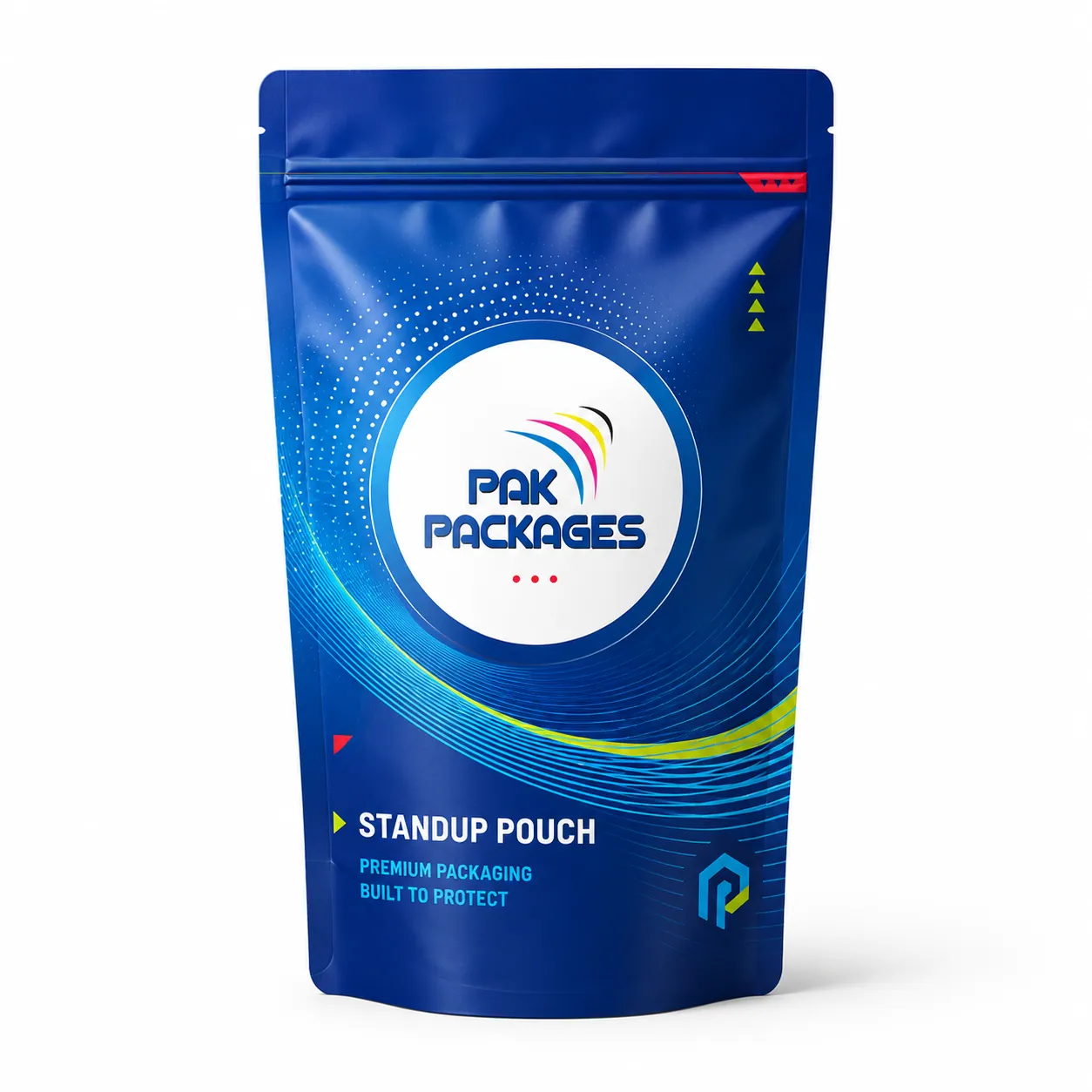
You will see this style used for:
- Coffee and tea
- Nuts, seeds, and trail mix
- Spices and baking mixes
- Pet food and treats
- Sauces and liquids with a spout
Stand-Up Pouches vs Rigid Jars: Quick Comparison
Both can hold dry food well. But they act very differently once you start to ship and sell them.
| Feature | Stand-up pouch | Rigid jar |
|---|---|---|
| Weight | Very light | Heavy, especially glass |
| Shipping cost | Lower | Higher |
| Empty storage space | Ships flat, takes little room | Bulky, takes a lot of room |
| Breakage risk | Low | Higher with glass |
| Print area | Full wrap, front and back | Label only |
| Reseal | Zipper | Lid |
| Cost per unit | Usually lower | Usually higher |
| Shelf look | Soft, modern, bold | Classic, solid |
The biggest gap is shipping. A pallet of empty pouches is tiny next to a pallet of empty jars. That saves money before you even fill a single bag.
Why Food Brands Are Switching to Pouches
There is no single reason. It is a mix of small wins that add up.
- Lower cost per unit. Flexible film uses less material than glass or thick plastic. For many small brands, that is the deciding factor.
- Cheaper shipping. Light bags mean lower freight bills. For online stores, this matters a lot. A lighter parcel can drop you into a cheaper shipping tier.
- More room for branding. A pouch gives you a large, smooth space for your logo, story, and nutrition facts. Custom printed stand-up pouches let you use the whole front and back.
- Good freshness. With the right barrier film and a zipper, pouches keep out air, moisture, and light. That helps snacks stay crisp and coffee stay fragrant.
- Less storage space. Your team can stack thousands of empty pouches in a small corner. No big warehouse needed.
- Easy for shoppers. They are light, easy to pour from, and simple to reseal. Many people also like that they take up less space in the pantry.
Kraft Stand-Up Pouches: The Natural Look
If your food brand feels earthy, simple, or handmade, kraft stand-up pouches are worth a look. The brown paper finish tells shoppers the product is natural before they read a word.
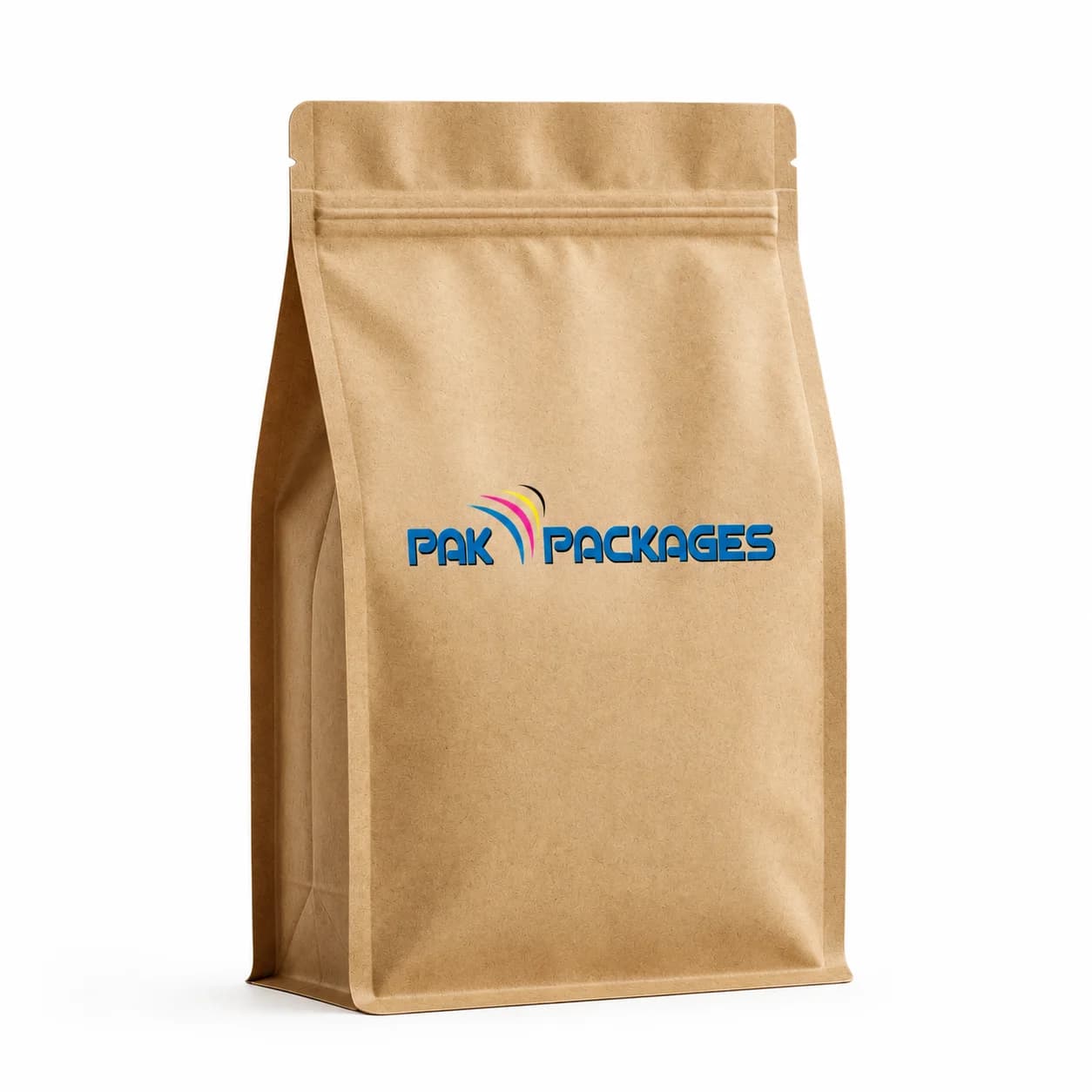
Kraft pouches are popular for granola, tea, loose snacks, dried fruit, and bakery items. Many have a thin inner lining that protects the food from moisture. Some also add a clear window so buyers can see what is inside.
One tip: kraft paper alone does not block air well. Ask for a lined version if your food needs a long shelf life.
Custom Pouches Help You Stand Out
Shelves are crowded. You get about a few seconds to catch someone's eye. That is why custom pouches have grown so fast. You can pick the size, finish, zipper type, and print style. Matte looks calm and premium. Gloss looks bright and fun. A window shows the food. A tear notch makes opening easy.
For small brands, this also means you can test a new flavor without a big jar mold or a huge order. That lowers the risk when you launch something new.
Sauces and other liquids often need a different close. A spout pouch stands on the shelf and pours without a jar.
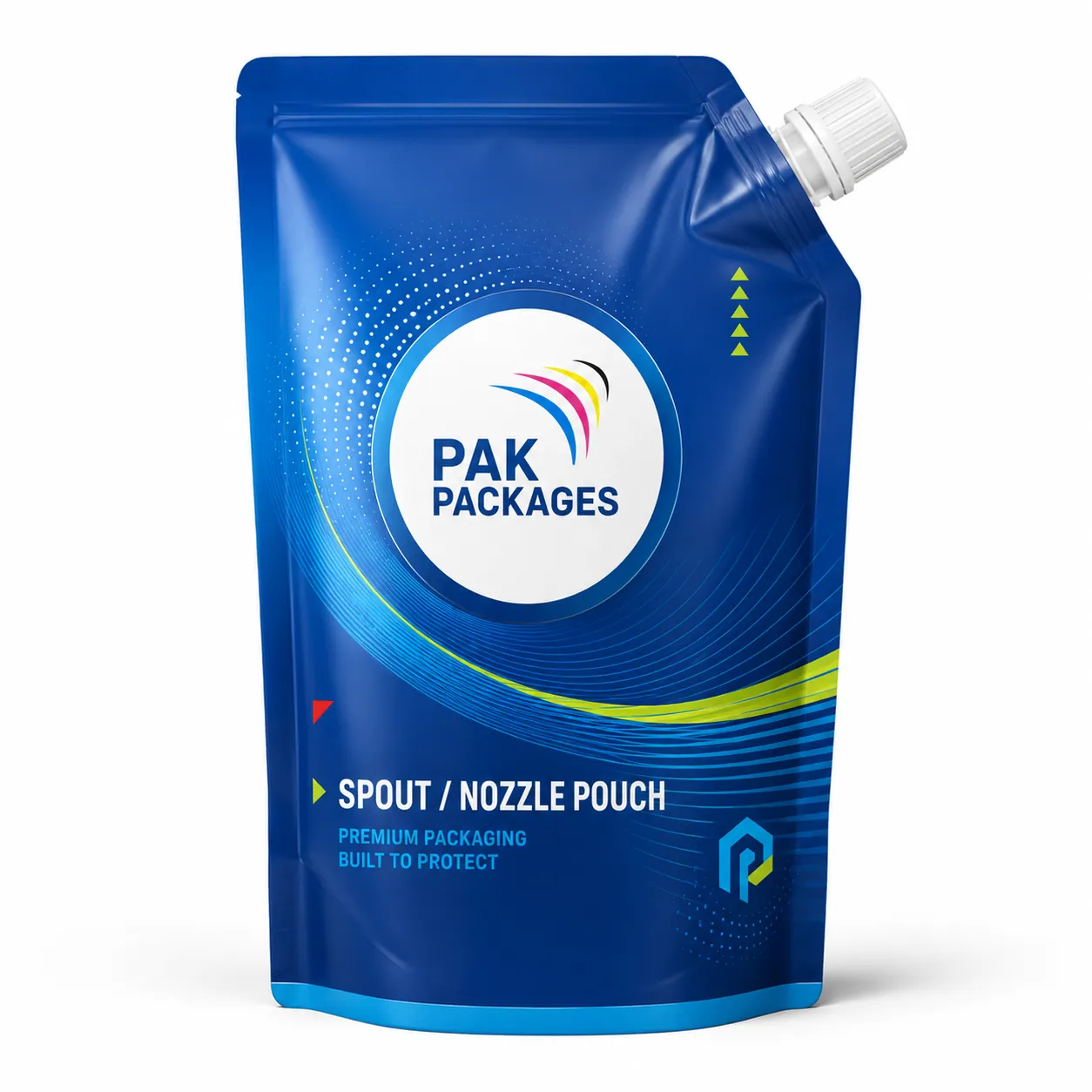
Need help picking the right size or material? Pak Packages can guide you from design to delivery. Call +1 (415) 985-5597 or email bilal.sadaqat@pakpackages.com for a quick quote on stand-up pouch packaging.
Where Rigid Jars Still Win
Jars are not going away. They still make sense in some cases.
- Heavy products. Thick pastes, pickles, and wet foods can be easier to handle in a jar.
- Gift and premium feel. A glass jar can feel special, especially for honey or gourmet spreads.
- Reuse. Some shoppers keep jars at home for other uses.
- Crush protection. Delicate items, like thin crackers, may break in a soft bag.
So this is not about one winner. It is about the right fit for your food, your price, and your customer.
What to Check Before You Order Pouches
A good pouch looks simple. A good choice takes a little homework. Here is a short list.
- Food-safe materials. In the US, packaging that touches food must meet FDA rules. Ask your supplier for proof.
- Barrier level. Coffee and chips need more protection than dried pasta.
- Size and fill weight. Test your real product in a sample bag.
- Zipper type. Standard, child-resistant, and press-to-close all feel different.
- Extras. A valve for coffee, a window, a hang hole, or a spout.
- Minimum order. Some makers need thousands. Others start small.
What Changes the Price of Custom Pouches?
Pouch prices are not the same for everyone. Quotes depend on a few things.
| Factor | How it affects cost |
|---|---|
| Size | Bigger bags use more film |
| Material | Kraft, foil, and compostable films cost differently |
| Printing | More colors and full coverage raise the price |
| Add-ons | Zippers, valves, windows, and spouts add cost |
| Quantity | Larger orders bring the unit price down |
The best way to get a real number is to send your size, material, and quantity to a supplier and ask for a quote.
A Word on Sustainability
Many US shoppers now care about waste. Pouches use less plastic by weight than jars, and they make fewer shipping emissions because they are lighter. That is a real plus.
The catch is recycling. Many multi-layer pouches are hard to recycle at home. If this matters to your brand, ask about recyclable films or compostable options, and be honest on your label about how to throw the bag away.
Quick FAQs
Are stand-up pouches safe for food?
Yes, when they are made with food-grade materials that meet FDA rules. Always ask for the material details.
Do stand-up pouches keep food fresh?
They can. A good barrier film and a working zipper protect food from air and moisture.
Can I order small batches of custom pouches?
Often, yes. Minimums vary, so check before you place an order.
Conclusion
Stand-up pouches are growing in food packaging because they save money, ship light, look great, and keep food fresh. Jars still have their place, but for many snacks, spices, coffee, and dry goods, a pouch is the smarter pick. Start with your food, your budget, and your shoppers, then choose the style that fits.
If you want help, Pak Packages is ready to talk. Call +1 (415) 985-5597 or email bilal.sadaqat@pakpackages.com today.